

The Difference Between a Counsellor and a Resilience System And Why They Both Matter
There is a conversation I have had many times with school heads across Nairobi. It usually begins the same way. I ask about their current approach to student well-being. They pause, then say something like: “We have a counsellor on staff. She’s very good. The students trust her.” I believe them. In almost every case, the counsellor is genuinely talented, genuinely committed, and genuinely trusted by the students she works with.
The problem is never the person. The problem is what the school is asking one person to do, and what that structure can and cannot achieve, regardless of how skilled or dedicated that person is. This article is not an argument against school counsellors.
It is an argument for understanding what counselling is designed to do, what it is not designed to do, and why a school that genuinely wants to address its students’ well-being needs both a skilled counsellor and a structured resilience system working alongside each other.
What a Counsellor Is Designed to Do
School counselling, at its best, is a profound intervention. A trained counsellor creates a confidential, trusted relationship with a student, a space where that student can bring what they cannot bring anywhere else.
The counsellor listens without judgment, helps the student process difficult experiences, and provides support that may be genuinely unavailable anywhere else in that young person’s life. For students navigating trauma, grief, family breakdown, abuse, serious mental health challenges, or acute crisis, individual counselling is not just helpful. It is essential.
There is no group session, no curriculum, no programme that replaces the particular value of a skilled professional sitting one-on-one with a young person who is struggling. This is what counselling is for. And it is irreplaceable in that role.
What a School Counsellor Cannot Do Alone
The structural challenge becomes visible when you look at the numbers. A school of 500 students has, at best, one full-time counsellor. More commonly, the counselling function is carried out by a teacher with some pastoral training, managing a full teaching load alongside their well-being responsibilities.
Even a dedicated, full-time counsellor with no other responsibilities can realistically hold a caseload of 30 to 50 active cases at any given time. That means the other 450 students, the ones who have not yet reached crisis point, the ones whose struggles are still subclinical, the ones who are quietly disengaging or slowly building anxiety or gradually developing the kind of emotional dysregulation that will eventually become a serious problem, receive no structured support at all.
This is not a failure of the counsellor. It is a structural inevitability. Individual counselling is, by definition, a reactive, one-to-one intervention. It responds to problems that have already surfaced. It cannot scale to reach every student before those problems develop. It was never designed to. The question a school leader needs to ask is not “do we have a counsellor?” but “what are we doing for the 450 students who are not in the counsellor’s office?”
The Prevention Gap
This is what we call the prevention gap, the space between the students who have reached a level of visible crisis and the students who appear to be managing fine. In reality, that space is full of young people who are struggling in ways that have not yet become visible, building patterns of emotional avoidance, poor self-regulation, and distorted self-concept that will eventually manifest as the behavioural and mental health challenges that end up in the counsellor’s office.
Prevention is not glamorous. It does not produce the immediate visible impact of helping a student in acute distress. But the research on social-emotional learning is unambiguous: structured, preventative programmes that build emotional and behavioural skills in young people before problems develop produce measurable reductions in behavioural incidents, improvements in academic engagement, and lower rates of serious mental health challenges over time.
The counsellor addresses the crisis. The resilience system prevents it. Both are necessary. Neither replaces the other.
What a Resilience System Does Differently
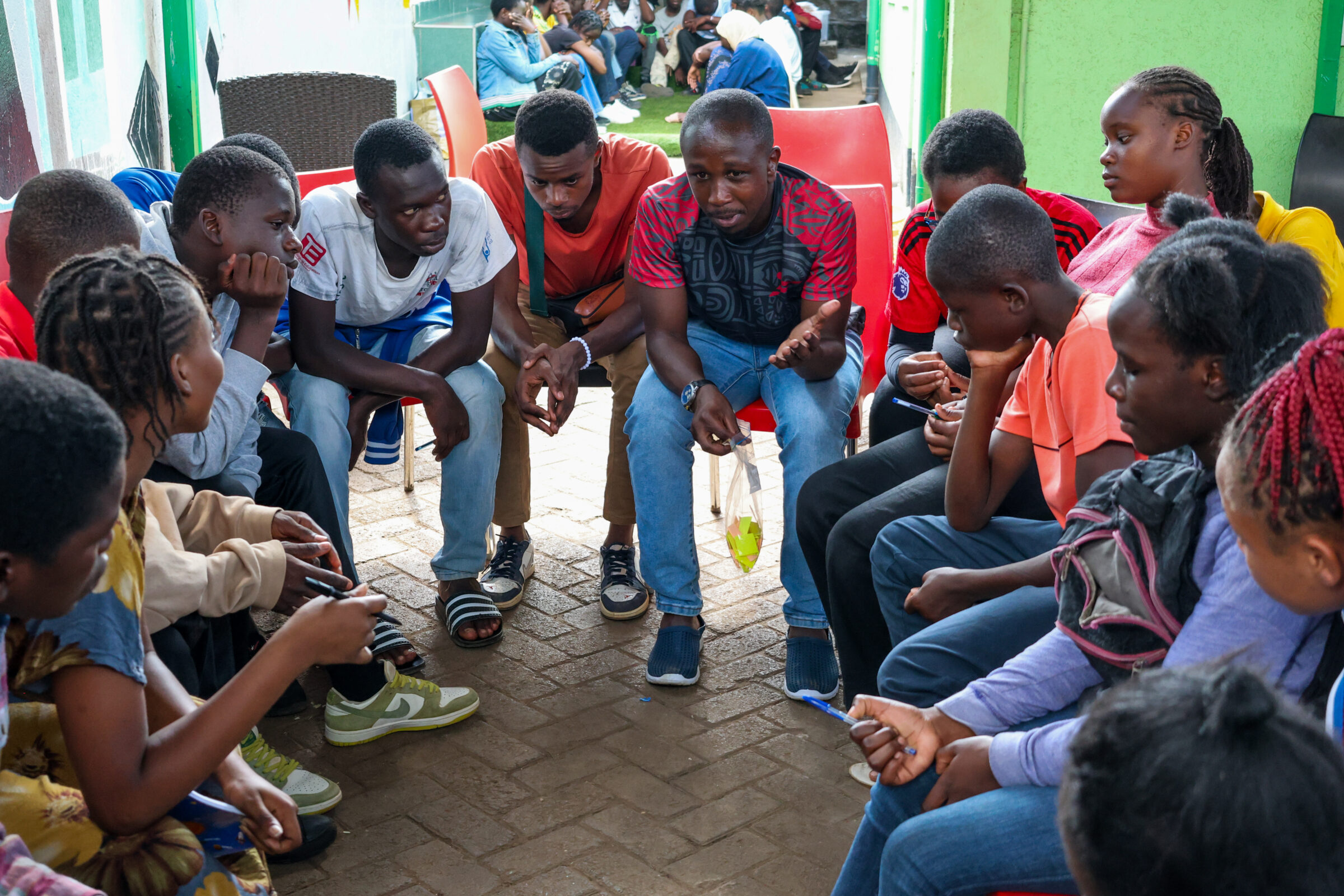
A structured resilience programme operates on a completely different logic from individual counselling. Instead of responding to individual students who have already reached a threshold of visible struggle, it works with entire cohorts, systematically building the emotional and behavioural capacities that every young person needs, before the need for crisis intervention arises. Where counselling is reactive, a resilience system is preventative.
Where counselling is individual, a resilience system is universal. Where counselling responds to symptoms, a resilience system builds the underlying skills that reduce the likelihood of those symptoms developing. In practical terms, this means delivering structured sessions to every student, not just the ones who have been referred or who have self-identified as struggling.
It means covering a defined curriculum of competencies: emotional literacy, behavioural self-regulation, growth mindset, healthy relationships, and safeguarding awareness. It means doing this consistently, across the full academic year, with enough repetition and practice that the skills actually transfer into how students show up in classrooms, in relationships, and under pressure. It also means working with the full school ecosystem, not just the students.
Teachers who understand emotional literacy can recognise dysregulation in a classroom and respond with de-escalation rather than punishment. Parents who understand the framework being used at school can reinforce it at home. School leadership that receives regular data on behavioural trends can make informed decisions about where to focus resources and support. This is the institutional design advantage that individual counselling, however excellent, cannot provide.
How the Two Work Together
The most effective school well-being model is not counselling or a resilience system. It is both, each doing the work it is designed to do, with a clear understanding of how they complement each other. Think of it as a two-layer structure.
The resilience system operates at the population level, reaching every student, building universal skills, and reducing the overall burden of emotional and behavioural challenges across the school. This layer is proactive, structured, and measurable. The counsellor operates at the individual level, providing targeted, intensive support to the students who need more than what a group programme can offer.
With a functioning resilience system in place, the counsellor’s caseload of acute cases reduces over time, freeing capacity to provide deeper support to the students who genuinely need it most. The resilience system does not put the counsellor out of a job. It makes the counsellor’s job more sustainable and more focused, allowing them to do what they are actually trained to do, rather than absorbing an impossible volume of low-level pastoral work that a structured programme could have prevented.
A Practical Question for School Leaders
If you are a school leader reading this, here is a useful diagnostic question to sit with: If your counsellor resigned tomorrow, what system would remain? If the answer is very little, if the well-being infrastructure of your school exists primarily in one person’s relationships and one person’s capacity, then your school’s well-being provision is one resignation letter away from collapse.
A resilience system is institutional. It does not depend on any one individual. It is embedded in the school calendar, delivered by trained facilitators who can be replaced without disrupting continuity, and tracked using school-owned data, regardless of who delivers the programme.
It survives staff turnover. It compounds year on year. It becomes part of the school’s culture and infrastructure in a way that no individual, however talented, can.
What This Means in Practice
Schools that invest in both a skilled counsellor and a structured resilience programme tend to see a compounding effect over time. Behavioural incidents have reduced. Referrals to the counsellor stabilise at a manageable level. Teachers report lower stress.
Students develop a shared language for emotional experience that normalises help-seeking and reduces stigma. School leadership gains access to real data on student well-being trends rather than relying on anecdote and incident reports. None of this happens overnight.
Resilience is built slowly, through consistent practice and structured repetition over months and years. But schools that commit to the system rather than reaching for the quick fix consistently report that the investment pays returns that no single intervention could match. The question is not whether your school can afford to build a resilience system alongside its counselling provision. The question is whether your school can afford not to.
Nesher Rise International builds structured resilience systems inside secondary schools across Kenya. If you would like to explore what that looks like in your school, reach out at info@nesherrise.com or visit nesherrise.com.