

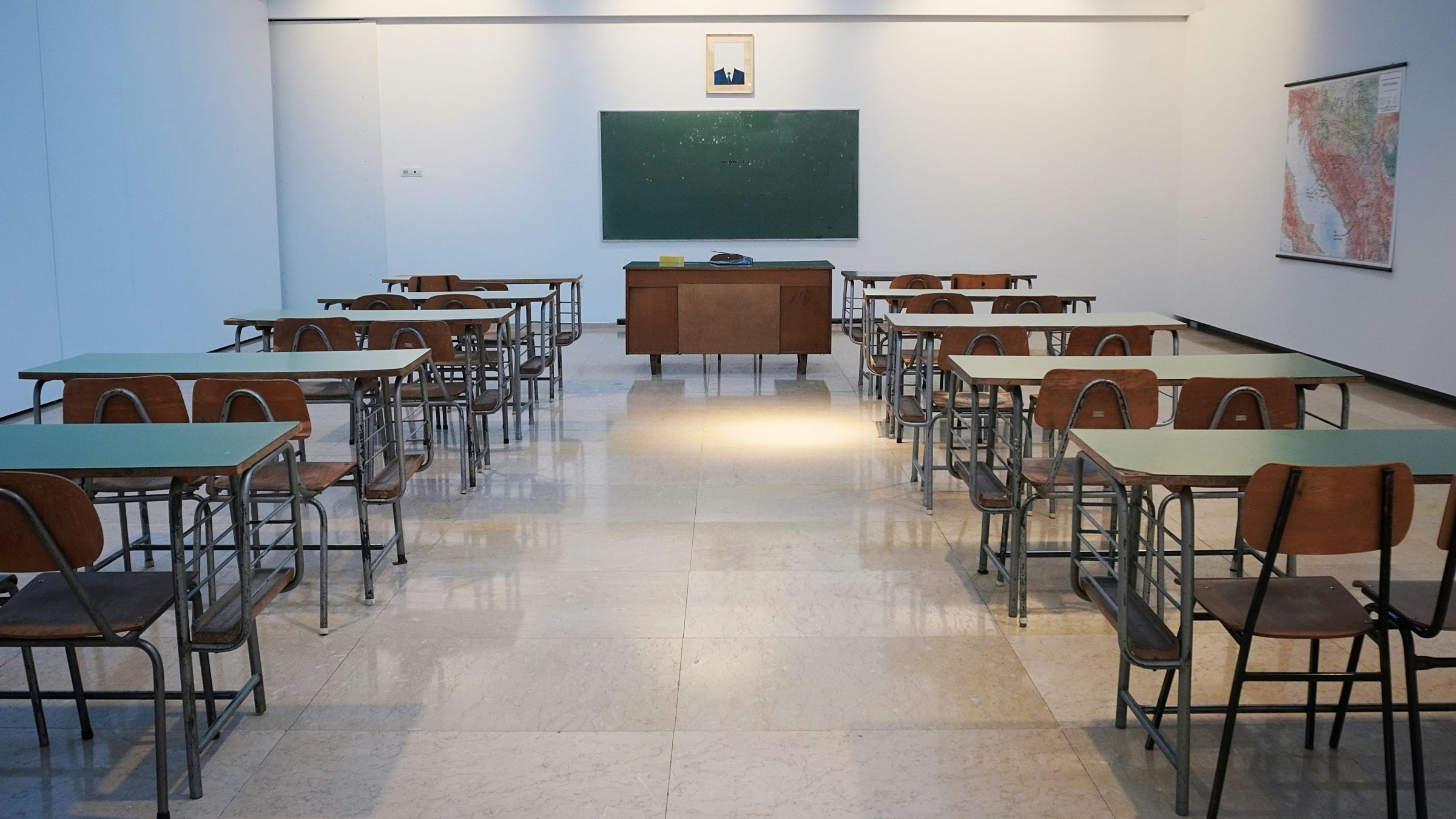
This is really a question of a school resilience program versus a counsellor working alone. A good school counsellor is genuinely valuable, and most schools we work with already have one. The honest question is not whether a counsellor is doing good work. It is what happens for every student who is not yet in crisis, the majority of any student body, who will never book a counselling appointment but whose daily resilience and emotional skill still shapes how they handle setbacks, conflict, and pressure.
1. Your Counsellor’s Calendar Is Always Full
A packed schedule is a sign a counsellor is trusted and needed. It is also a sign that reactive, one-to-one support cannot reach the hundreds of students who are not in crisis but are still building, or failing to build, the skills that would help them avoid becoming one.
2. Incidents Repeat In Predictable Patterns
The same categories of conflict, the same kinds of emotional outbursts, the same disciplinary patterns recurring term after term, is usually a sign of a skills gap across a whole cohort, not an issue that will be solved by individual counselling sessions with a handful of students.
3. Teachers Are Managing Behavior, Not Teaching
When teachers report spending a growing share of class time on de-escalation and behavior management rather than instruction, that is a signal the emotional and behavioral skill gap sits at the classroom level, not just at the counsellor’s door.
4. Students Can Name A Problem But Not Regulate Around It
Many students today can articulate what stress or anxiety feels like far better than previous generations could. Naming a feeling and being able to regulate it under real pressure are two different skills, and the second one is rarely taught explicitly anywhere in a typical timetable.
5. Parent Concerns Are Rising, Not Falling
An increase in parents raising concerns about their child’s emotional wellbeing, even when the school’s response to each case is good, suggests the underlying rate of struggle is rising faster than one-on-one responses can absorb.
6. Your Safeguarding Policy Has Not Been Reviewed Recently
A safeguarding framework that has not been revisited against current legal expectations, including Kenya’s Children’s Act 2022, is a structural gap regardless of how strong your counselling support is.
7. Staff Are Improvising Their Response To Distress
If teachers outside the counselling office are handling emotional distress based on individual instinct rather than shared training, your school has inconsistent practice standing in for a system.
8. There Is No Data On Student Wellbeing Trends
Most schools can tell you academic performance trends in detail. Far fewer can tell you whether student emotional wellbeing is trending up or down year over year, because nobody is systematically tracking it.
9. Wellbeing Initiatives Come And Go Without Continuity
A guest speaker here, an assembly there, with no sequencing or follow-through between them, tends to produce awareness without producing lasting behavior change.
10. Leadership Cannot Point To A System, Only To Individuals
If the honest answer to “what is our approach to student resilience” is a person’s name rather than a structured programme, that is the clearest sign of all. A good counsellor is a critical piece of a resilient school. They were never meant to be the whole system on their own. Resilience Labs is built to be the structural layer that works alongside your existing counselling support, not a replacement for it. If several of these signs sound familiar, a Resilience Audit is a useful next step.